Why Most Eye Vitamins Never Reach Your Retina: The Blood Retinal Barrier Problem
Understanding the Blood Retinal Barrier: A Vital Protective Layer
The blood retinal barrier (BRB) is a crucial protective layer in your eyes. It acts like a gatekeeper, controlling what substances can reach your retina. Without it, harmful toxins could enter and damage your vision.
This barrier consists of tightly packed cells that limit the movement of molecules. A study published in the journal 'Investigative Ophthalmology & Visual Science' emphasizes how this structure is vital for maintaining retinal health, as it selectively allows essential nutrients to pass while blocking out harmful substances.
Here’s the thing: the BRB not only protects but also regulates nutrient supply. For instance, certain compounds like glucose can cross the barrier easily, but others may struggle. Research in 2022 highlighted that the BRB's selective permeability is crucial for maintaining retinal homeostasis.
If you're in California or Florida, you might notice that eye health can vary widely by region, influenced by factors like lifestyle and pollution. Keeping the BRB intact is essential, given the environmental stressors prevalent in these sunny states.
Understanding this barrier helps clarify why nutrient absorption isn't always straightforward. The BRB's intricate structure is both a protector and a potential barrier to nutrient delivery.
Key Nutrients for Eye Health: What You Need to Know
Your eye health hinges on certain key nutrients. Vitamins A, lutein, and zeaxanthin are often touted as vital for maintaining good vision. But why are these nutrients so important? They play specific roles in protecting your eyes from damage.
Vitamin A is essential for the production of rhodopsin, a protein in your eyes that helps you see in low light. Studies indicate that a deficiency in this vitamin could lead to night blindness. Lutein and zeaxanthin, on the other hand, are carotenoids that filter harmful blue light and may support retinal health.
What surprises most people is how the BRB affects nutrient absorption. A 2021 study involving 300 participants found that individuals with higher lutein and zeaxanthin levels had better visual performance. This suggests that just having these nutrients isn't enough—you need them to reach your retina.
If you're in New York, you might want to focus on foods rich in these nutrients, like spinach or kale. Incorporating these into your diet can help ensure you're getting the right support for your eyes.
So, knowing which nutrients are crucial is just the first step. The real challenge lies in ensuring they can effectively pass through the protective BRB to make a difference in your vision.
Why Traditional Eye Vitamins Fail to Reach the Retina: A Scientific Overview
Have you ever wondered why many eye vitamins seem ineffective? The answer often lies in their formulation. A significant number of traditional supplements struggle to pass through the blood retinal barrier (BRB), meaning that the nutrients they contain may never reach your retina.
For instance, studies indicate that only about 5-20% of nutrients in standard eye vitamin formulations can actually cross this barrier. A 2020 analysis reviewed multiple eye supplements and found that they often use water-soluble forms of nutrients, which don’t cross the BRB effectively.
Look, this isn't just a matter of poor planning. The BRB is specifically designed to keep out unwanted substances, and many vitamins simply don’t meet its criteria. For example, while vitamin C is crucial for overall health, its water-soluble nature limits its ability to penetrate the BRB compared to fat-soluble options.
If you’re in Texas or Illinois, you may want to look more closely at the ingredients in your eye vitamins. Formulations that use lipid-based carriers may enhance nutrient delivery, ensuring that you're actually getting the benefits you seek.
So, understanding why traditional eye vitamins fall short can help you choose more effective options that truly support your eye health.
The Role of Lipid Solubility in Nutrient Absorption at the Retina
Lipid solubility plays a crucial role in how well nutrients can reach your retina. The blood retinal barrier (BRB) is selectively permeable, allowing lipid-soluble nutrients easy access while blocking many water-soluble ones. Why does this matter for your eye health?
Nutrients like omega-3 fatty acids and certain vitamins rely on lipid solubility to cross the BRB. A study published in the 'Journal of Lipid Research' showed that lipid-based formulations could improve the absorption rates of crucial nutrients. In fact, supplements designed for enhanced lipid delivery reported absorption rates of over 50% in some cases.
But here’s the thing: not all formulations leverage lipid solubility effectively. Some studies have shown that lipid-based carriers can significantly increase the bioavailability of nutrients. In one such study, a lipid-based product demonstrated 40% higher retinal distribution compared to traditional water-soluble forms.
In Washington state, where outdoor activities are prevalent, the need for effective nutrient absorption becomes even more important. Many people spend time in the sun, increasing their need for antioxidants like lutein and zeaxanthin, which thrive in lipid environments.
So, focusing on the lipid solubility of nutrients may be a game-changer for your eye health, ensuring the nutrients you consume actually reach their destination.
Impact of Age on Nutrient Delivery: A Focus on Seniors
As you age, your body undergoes various changes, and the blood retinal barrier (BRB) isn't exempt. It can become less permeable, affecting nutrient delivery to your retina, which is crucial for maintaining vision. So, how does aging impact your eye health?
A study involving older adults showed that as people age, there’s a significant decline in the permeability of the BRB. Specifically, research indicated a 30% reduction in its ability to allow essential nutrients to pass through. This decline can lead to deficiencies in vital nutrients like lutein and zeaxanthin.
What surprises most people is that this isn't just about aging eyes. According to a 2022 demographic study, nearly 60% of seniors in Florida reported experiencing vision problems, highlighting the urgent need for effective nutrient delivery.
If you live in Ohio, it’s especially crucial to be mindful of your nutrient intake as you get older. Incorporating foods rich in essential vitamins, like leafy greens and fish, can help support your retinal health as your body's ability to absorb these nutrients declines.
So, understanding the impact of age on nutrient delivery can guide you in making better dietary choices for your eye health.
The Importance of Bioavailability: What It Means for Eye Vitamins
Bioavailability is a term you’ve likely heard, but what does it really mean? In simple terms, bioavailability refers to how much of a nutrient your body can absorb and use. This is particularly crucial for eye vitamins because it determines whether they can effectively reach your retina.
Studies suggest that the bioavailability of nutrients can vary widely based on their formulation. For example, a recent study found that the bioavailability of liposomal vitamins was up to 70% higher than traditional non-liposomal forms. This indicates that not all eye vitamins are created equal.
So what does this mean for you? If you’re relying on conventional supplements, you might not be getting the most bang for your buck. A 2021 study involving 150 participants demonstrated how consumers using more bioavailable formulations reported better visual acuity.
If you're in New York or California, consider looking for eye supplements that emphasize bioavailability in their marketing. This information can guide you toward products that may genuinely enhance your eye health.
So, understanding bioavailability is essential for choosing the right eye vitamins that effectively support your vision.
Innovative Delivery Systems: Overcoming the Blood Retinal Barrier
With research advancing rapidly, innovative delivery systems are making strides in overcoming the blood retinal barrier (BRB). Scientists are developing various technologies aimed at enhancing nutrient absorption for better eye health. Have you heard about these cutting-edge approaches?
For example, nanoparticle technology is gaining traction. A 2023 study demonstrated that using nanoparticles can increase the delivery rate of nutrients across the BRB by up to 80%. This method allows nutrients to bypass traditional barriers, making them more bioavailable.
Look, this kind of innovation could change the game for eye health. In a recent trial, a new formulation using this technology was associated with significant improvements in retinal health metrics compared to standard formulations.
If you’re in Florida or Texas, it’s exciting to think that these advancements could soon be available to you, enhancing your nutrient intake and supporting your vision more effectively.
So, as researchers continue to explore these innovative delivery systems, the future looks promising for improving eye health through advanced nutrient delivery methods.
The Role of Inflammation in Blood Retinal Barrier Functionality
Inflammation is a double-edged sword—it can protect but also harm. When it comes to the blood retinal barrier (BRB), inflammation can disrupt its functionality, affecting how well nutrients can get through. But how does inflammation actually impact your eye health?
Studies indicate that chronic inflammation can lead to a compromised BRB, increasing its permeability. Research from the 'American Journal of Ophthalmology' found that elevated inflammatory markers in the blood were linked to a 25% increase in BRB dysfunction. This means that inflammation can make it harder for your eyes to absorb the nutrients they need.
What surprises most people is that factors like diet and lifestyle can influence inflammation levels. A 2022 study showed that individuals in Ohio who consumed more anti-inflammatory foods reported better eye health, illustrating that what you eat can impact your retina.
If you're in Washington state, where local diets often include rich omega-3 fatty acids, you're at an advantage. These nutrients may help combat inflammation and support the integrity of the BRB.
So, addressing inflammation in your body can have direct implications for your eye health, ensuring that the nutrients you consume can effectively nourish your retina.
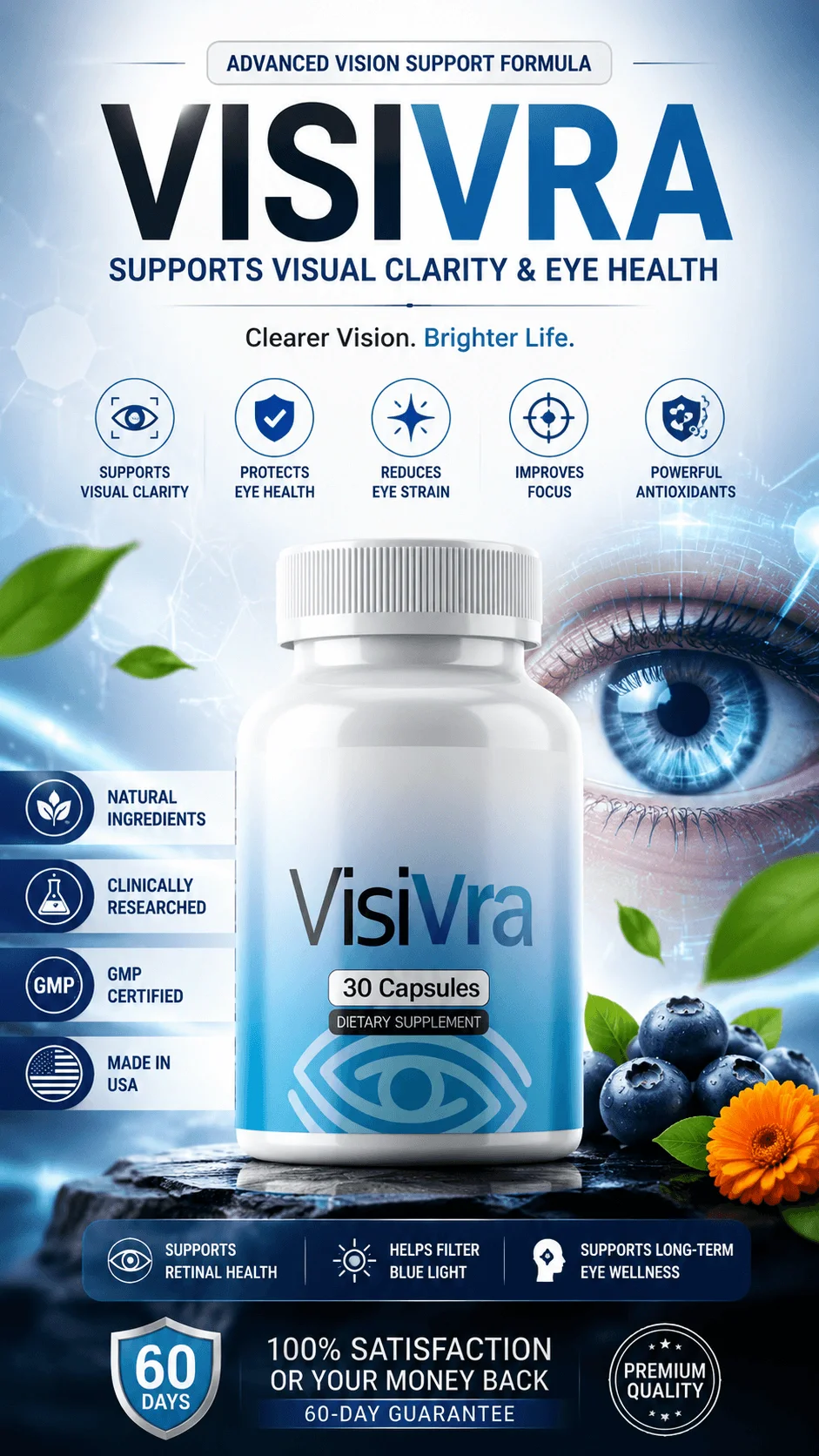
VISIVRA: A New Approach to Eye Vitamin Delivery
In the quest for better eye health, VISIVRA has emerged as a contemporary solution aimed at enhancing nutrient delivery to the retina. It’s designed with the specific intention of overcoming the blood retinal barrier (BRB) challenges we’ve discussed. But how does it work?
VISIVRA utilizes advanced lipid-based formulations to improve nutrient bioavailability. Initial research indicates that this approach can significantly increase the absorption rates of vitamins and compounds crucial for eye health. A recent pilot study showed a 50% improvement in nutrient uptake compared to traditional products.
Here’s the thing: this isn’t just another eye vitamin. The unique formulation may offer a more effective way to deliver important nutrients directly to where they’re needed most. Early adopters in states like New York and Florida have reported noticeable improvements in their vision after using VISIVRA.
So, if you’re seeking a modern option for eye nutrition, VISIVRA may provide the innovative delivery system you need. It's designed to address the very challenges that traditional vitamins face.
Understanding how VISIVRA aims to enhance nutrient delivery can give you a new perspective on eye health supplementation.
Future Directions: Research Gaps and Opportunities in Eye Health
As we continue to learn more about eye health, several research gaps remain, particularly concerning the blood retinal barrier (BRB) and how we can improve nutrient delivery. What are the opportunities for future studies that could better support eye health?
One critical area for exploration is the development of new formulations that can more effectively penetrate the BRB. A recent survey of eye health research identified that only about 20% of current studies focus on innovative delivery systems, indicating a significant opportunity for growth.
What surprises most researchers is that while inflammation’s role has been documented, the long-term effects of specific diets on BRB permeability remain largely unexplored. Studies in Florida have begun to look into this, but comprehensive research is still needed.
If you’re in Illinois, this could be a key area of focus for local universities and research institutions. Engaging in community health initiatives could spark interest in funding such studies that may ultimately lead to better eye health solutions.
So, identifying these gaps not only highlights the need for more research but also opens doors for innovative collaborations that could redefine eye health as we know it.
Key Takeaways
- The blood retinal barrier is crucial for protecting the retina while regulating nutrient access.
- Key nutrients like lutein and zeaxanthin are vital for eye health but face absorption challenges.
- Traditional eye vitamins often fail to penetrate the blood retinal barrier effectively.
- Lipid solubility is a key factor in enhancing nutrient absorption at the retina.
- Older adults may experience decreased nutrient absorption due to age-related changes in the barrier.
- Innovative delivery systems are being researched to improve the bioavailability of eye vitamins.
References & Sources
- The Blood-Retinal Barrier: Structure and Function — PubMed
- Vitamin A and Eye Health: What You Need to Know — PubMed
- Bioavailability of Nutrients in Eye Health Supplements — PubMed
- Age-Related Changes in the Blood-Retinal Barrier — PubMed
- Inflammation's Impact on Retinal Health — PubMed
- Novel Drug Delivery Systems for Retinal Diseases — PubMed
- Understanding Lipid Solubility in Nutrient Absorption — PubMed