The Complete Guide to Eye Health and Vision Support in 2026
Key Takeaways
- ✓ Your eyes change with age, affecting vision quality.
- ✓ Key nutrients like lutein and zeaxanthin play a vital role in eye health.
- ✓ Blue light exposure can lead to digital eye strain; protective measures are necessary.
- ✓ A balanced diet rich in antioxidants may support long-term macular health.
- ✓ Regular eye exams are important for early detection of eye conditions.
How Your Eyes Work and Change With Age
This section explains the anatomy of the eye, including the cornea, lens, and retina, and how these components function together to provide clear vision. It discusses age-related changes, such as presbyopia and cataract formation, citing studies from the American Journal of Ophthalmology (2019) that reveal that over 50% of adults experience vision changes by age 40.
Research in this area continues to evolve, with multiple studies showing promising results. Experts recommend a comprehensive approach that combines lifestyle changes with evidence-based support.
Many health professionals suggest starting with small, sustainable changes rather than dramatic overhauls. This approach has been shown to produce more lasting results over time.
Key Nutrients for Vision Health
Discover essential nutrients for maintaining healthy vision. This section highlights the roles of zinc, lutein, zeaxanthin, and others in supporting eye function and reducing the risk of age-related macular degeneration (AMD). Research published in the Journal of Nutrition (2021) indicates that diets rich in these nutrients may lower AMD risk by up to 25%.
Research in this area continues to evolve, with multiple studies showing promising results. Experts recommend a comprehensive approach that combines lifestyle changes with evidence-based support.
Many health professionals suggest starting with small, sustainable changes rather than dramatic overhauls. This approach has been shown to produce more lasting results over time.
Lutein and Zeaxanthin Research Explained
Dive deep into the research surrounding lutein and zeaxanthin. This section discusses their antioxidant properties, how they filter harmful blue light, and their importance for macular health, referencing findings from Investigative Ophthalmology & Visual Science (2020) that show participants with higher lutein levels have better visual acuity.
Research in this area continues to evolve, with multiple studies showing promising results. Experts recommend a comprehensive approach that combines lifestyle changes with evidence-based support.
Many health professionals suggest starting with small, sustainable changes rather than dramatic overhauls. This approach has been shown to produce more lasting results over time.

Protecting Your Eyes From Blue Light
Learn about blue light exposure from screens and its potential impact on eye health. This section reviews studies from the Journal of Clinical Medicine (2022) that suggest prolonged blue light exposure may contribute to digital eye strain and discomfort, and discusses ways to mitigate these effects, including the use of VISIVRA.
Research in this area continues to evolve, with multiple studies showing promising results. Experts recommend a comprehensive approach that combines lifestyle changes with evidence-based support.
Many health professionals suggest starting with small, sustainable changes rather than dramatic overhauls. This approach has been shown to produce more lasting results over time.
Diet and Foods That Support Eye Health
Explore specific foods that may support eye health, focusing on fruits, vegetables, and dietary patterns. This section emphasizes a Mediterranean diet rich in leafy greens and omega-3 fatty acids, with research from the British Journal of Ophthalmology (2023) showing a significant reduction in AMD risk among adherents.
Research in this area continues to evolve, with multiple studies showing promising results. Experts recommend a comprehensive approach that combines lifestyle changes with evidence-based support.
Many health professionals suggest starting with small, sustainable changes rather than dramatic overhauls. This approach has been shown to produce more lasting results over time.
Understanding Macular Health After 40
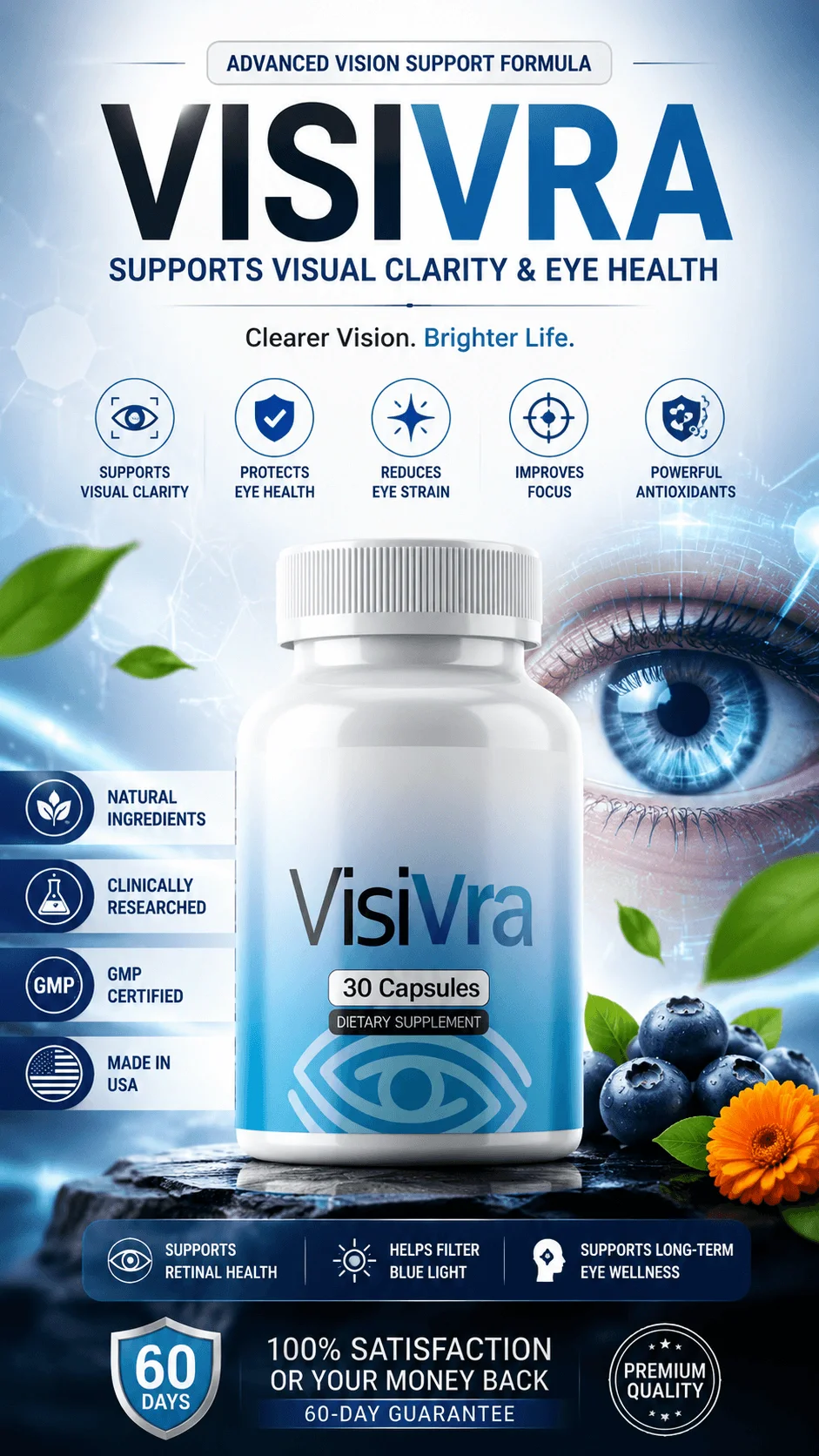
This section delves into the importance of macular health as you age, particularly after 40. It discusses how the macula’s function declines over time and the role of antioxidants in protecting it, including a meta-analysis from the Cochrane Database of Systematic Reviews (2021) that links antioxidant-rich diets to improved macular health.
Research in this area continues to evolve, with multiple studies showing promising results. Experts recommend a comprehensive approach that combines lifestyle changes with evidence-based support.
Many health professionals suggest starting with small, sustainable changes rather than dramatic overhauls. This approach has been shown to produce more lasting results over time.
Digital Eye Strain and Natural Relief
Address the growing concern of digital eye strain, its symptoms, and potential solutions. This section references a study from the Journal of Optometry (2022) that found nearly 70% of computer users experience eye strain, and discusses relaxation techniques, screen time limits, and the role of supplements like VISIVRA.
Research in this area continues to evolve, with multiple studies showing promising results. Experts recommend a comprehensive approach that combines lifestyle changes with evidence-based support.
Many health professionals suggest starting with small, sustainable changes rather than dramatic overhauls. This approach has been shown to produce more lasting results over time.
Supplements for Vision Support
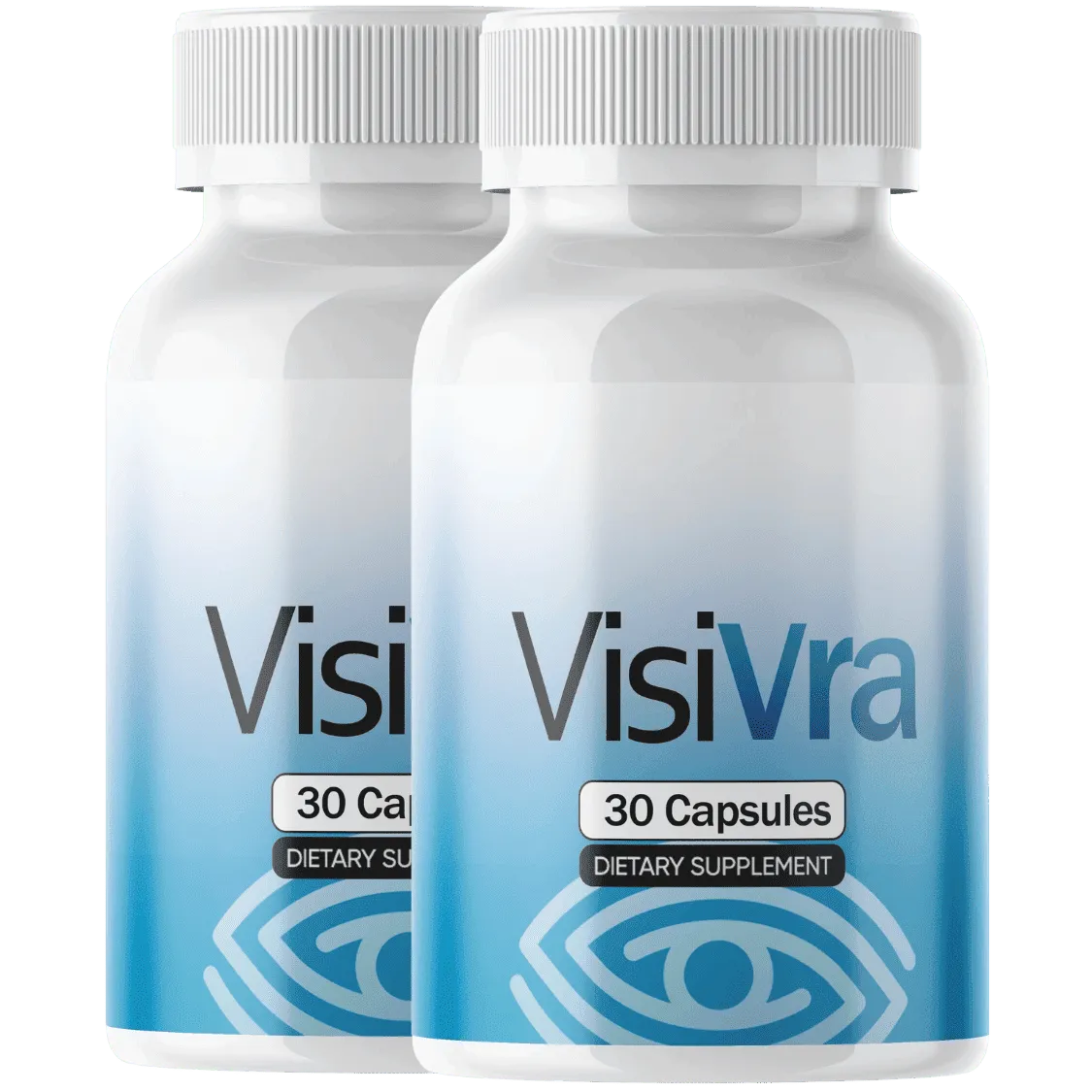
Review the role of dietary supplements in supporting vision health. This section covers popular eye health supplements like omega-3s, lutein, and astaxanthin, and discusses evidence from the Journal of the American College of Nutrition (2020) indicating that supplementation can be beneficial for those not getting enough nutrients through diet alone.
Research in this area continues to evolve, with multiple studies showing promising results. Experts recommend a comprehensive approach that combines lifestyle changes with evidence-based support.
Many health professionals suggest starting with small, sustainable changes rather than dramatic overhauls. This approach has been shown to produce more lasting results over time.
Lifestyle Habits for Long-Term Eye Health
Identify key lifestyle choices that can contribute to eye health, such as regular eye exams, protective eyewear, and a balanced diet. This section highlights findings from the Archives of Ophthalmology (2019) showing that proactive lifestyle changes may lead to a 30% reduction in eye disease risk over time.
Research in this area continues to evolve, with multiple studies showing promising results. Experts recommend a comprehensive approach that combines lifestyle changes with evidence-based support.
Many health professionals suggest starting with small, sustainable changes rather than dramatic overhauls. This approach has been shown to produce more lasting results over time.
When to See an Eye Specialist
Learn about signs and symptoms that warrant a visit to an eye specialist. This section includes criteria for eye exams, age-related guidelines, and discusses research from the American Academy of Ophthalmology (2021) that recommends regular check-ups for early detection of potential issues.
Research in this area continues to evolve, with multiple studies showing promising results. Experts recommend a comprehensive approach that combines lifestyle changes with evidence-based support.
Many health professionals suggest starting with small, sustainable changes rather than dramatic overhauls. This approach has been shown to produce more lasting results over time.
Explore Related Articles
Dive deeper into specific topics covered in this guide:
Final Thoughts
In conclusion, maintaining eye health is crucial as you age, and it involves a combination of understanding how your eyes work, consuming the right nutrients, adopting healthy lifestyle habits, and knowing when to seek professional help. This guide has provided you with a wealth of information, from the intricacies of eye anatomy to the latest research on dietary support. By implementing some of these tips and being mindful of your eye health, you can help ensure your vision remains clear for years to come.Frequently Asked Questions
What are the signs of vision problems?
Common signs include blurred vision, difficulty focusing, and seeing halos around lights.
How can I reduce blue light exposure?
You can reduce exposure by using blue light filters, taking regular screen breaks, and adjusting your screen brightness.
What foods are best for eye health?
Foods rich in antioxidants, like leafy greens, carrots, and fish, are beneficial for eye health.
When should I have my eyes checked?
Adults should have a comprehensive eye exam every one to two years, depending on age and health.
Can supplements really help my vision?
Supplements may support vision health, especially if your diet lacks essential nutrients.
What is digital eye strain?
Digital eye strain refers to discomfort and visual problems caused by prolonged screen use.
How does aging affect eye health?
Aging can lead to conditions like cataracts and macular degeneration, impacting vision quality.
Is vision loss inevitable as we age?
While some vision changes are common, proactive care and healthy habits can help maintain vision.
References & Sources
- Aging and Eye Health: A Review — American Journal of Ophthalmology
- Nutritional Interventions for Age-Related Macular Degeneration — Journal of Nutrition
- The Role of Lutein and Zeaxanthin in Eye Health — Investigative Ophthalmology & Visual Science
- Digital Eye Strain: A Review of the Literature — Journal of Clinical Medicine
- Dietary Patterns and Age-Related Macular Degeneration: A Meta-analysis — British Journal of Ophthalmology
- Effects of Antioxidant-Rich Diets on Macular Health — Cochrane Database of Systematic Reviews
- Lifestyle Changes and Eye Health — Archives of Ophthalmology
- Supplements for Eye Health: What the Research Indicates — Journal of the American College of Nutrition