Eye Protection from Blue Light: Strategies for 2026
The Science of Blue Light: What You Need to Know
Look, blue light is everywhere—from your phone screen to those LED lights in your home. It falls within the 380 to 500 nm wavelength range and is known to have high energy compared to other colors of light. This high energy means it can penetrate deeper into your eyes, potentially causing damage to retinal cells over time.
Research published in a 2021 study on PubMed found that blue light exposure can lead to oxidative stress in retinal cells, which is linked to conditions like macular degeneration. The cells that absorb blue light are called photoreceptors, and they have a unique vulnerability to this kind of stress. In fact, the longer you look at screens, the more cumulative exposure you’re getting.
Another interesting finding from a 2020 study indicated that prolonged exposure to blue light may decrease the retinal pigment epithelium's ability to protect the retina. This is crucial because this layer is essential for maintaining your overall eye health. If you’re frequently glued to your devices, your retina could be taking a hit.
So, if you live in tech-heavy states like California or Texas where digital device usage is rampant, it’s even more crucial to be aware of blue light and its potential risks. A simple awareness can go a long way in protecting your eyes.
In short, understanding the nature of blue light is the first step in safeguarding your vision.
Statistics on Blue Light Exposure: Are You at Risk?
Did you know that nearly 60% of Americans use digital devices for more than six hours a day? That means blue light exposure is a growing concern, especially among younger demographics. A recent study found that 75% of teenagers report experiencing eye strain from excessive screen time.
The statistics are alarming—this same study showed that 90% of people aged 18-29 in states like New York and Florida are at risk for digital eye strain, a condition caused primarily by blue light exposure. With such high usage rates, the chances of experiencing the negative effects of blue light are skyrocketing.
Research published in the Journal of Optical Health found that prolonged exposure to blue light can lead to symptoms like dryness, blurred vision, and fatigue. The average person checks their phone about 96 times a day—that’s a lot of blue light! This relentless exposure can easily contribute to the aforementioned eye strain symptoms.
If you're in Ohio or Washington, where tech usage is also high, you might want to take these numbers to heart. It's worth considering how to manage your screen time to reduce risks.
So, when it comes to blue light exposure, being informed is your best defense.
Symptoms of Blue Light Overexposure: Recognizing the Signs
Have you ever felt that nagging discomfort after staring at a screen for too long? You’re not alone—this is often a sign of blue light overexposure, also known as digital eye strain. Around 70% of adults report some degree of eye strain, particularly those in states like Illinois and Florida where screen time is considerable.
Common symptoms include headaches, blurry vision, and even trouble sleeping. A study published in the Journal of Vision indicated that individuals exposed to blue light in the evening experienced more significant sleep disturbances. This can be particularly concerning for students and professionals who rely on quality rest for productivity.
Another study found that 60% of participants reported experiencing discomfort after using digital devices for extended periods. This discomfort can manifest as dry eyes or increased sensitivity to light, which can affect your daily activities.
So if you’re spending hours in front of a screen in Texas or California, pay attention to those warning signs. Taking breaks and practicing good eye care can help mitigate these symptoms.
Recognizing these symptoms is the first step to taking action and protecting your eye health.
Protective Mechanisms of the Eye: How They Work
Ever wondered how your eyes manage to protect themselves from the harsh effects of blue light? The human eye has several natural defense mechanisms to shield itself, one of the most important being the macular pigment. This pigment acts as a natural filter, absorbing some of the blue light that enters your eye.
Studies show that individuals with higher levels of macular pigment have better protection against blue light-induced damage. For example, a 2022 study found that people with more robust macular pigments experienced lower rates of eye strain while using digital devices.
Additionally, the eye's lens also plays a role in filtering out harmful wavelengths. Research published in the Journal of Ophthalmology indicated that as we age, our lenses become less effective at blocking blue light, which means older individuals might be more vulnerable.
In states like New York or Washington, where aging populations are large, it's vital to understand these protective mechanisms. Simple lifestyle changes can help support these natural defenses, such as wearing sunglasses that filter blue light when outside.
Overall, your eyes may have built-in protection, but understanding how it works can empower you to take additional steps for better eye health.
Dietary Choices for Eye Health: Foods to Fight Blue Light Effects
Here's the thing: what you eat can significantly influence your eye health. Certain nutrients—like lutein and zeaxanthin—are known to help protect against blue light damage. These compounds are found in green leafy vegetables, egg yolks, and even some fruits, making dietary choices crucial.
A 2021 study found that people who consumed diets rich in antioxidants, particularly lutein and zeaxanthin, had a 20% lower risk of developing macular degeneration, which is often linked to blue light exposure. This is an impressive statistic, especially for residents in sun-drenched states like Florida.
Carotenoids, another group of antioxidants, are also beneficial. Research shows that they can accumulate in the retina and help filter harmful light. In a study involving over 1,000 participants, those who took carotenoid supplements showed improved visual function over a two-year period.
If you're in California or Texas, incorporating foods like kale, spinach, and red peppers into your meals can make a noticeable difference. Even snacking on carrots can contribute to eye health.
So, while blue light exposure is a concern, your dietary choices can act as a form of defense.
Screen Time Management: Effective Strategies for Eye Protection
Are you finding it hard to put your phone down? You’re not alone, and that constant screen time can be tough on your eyes. But managing your screen time is crucial for reducing blue light exposure and combatting digital eye strain.
One effective strategy is the 20-20-20 rule: every 20 minutes, take a 20-second break to look at something 20 feet away. Studies indicate that this simple practice can significantly reduce eye strain symptoms—by as much as 30% in some cases.
Another useful tip is to adjust your screen settings; many devices now offer a 'night mode' that reduces blue light exposure in the evening. Research has shown that night mode settings can improve sleep quality by 25% for those who use their devices before bedtime.
If you’re a resident of a bustling state like New York or Illinois where screen usage is high, implementing these strategies is essential. Small changes can lead to significant benefits for your eye health.
In summary, managing your screen time doesn’t have to be daunting. Simple strategies like the 20-20-20 rule can make a world of difference.
Blue Light Blocking Glasses: Do They Really Work?
So, are blue light blocking glasses worth the hype? Many people swear by them, claiming they reduce eye strain and improve comfort during long hours of screen time. But what does the research say? A 2022 study found that wearing blue light blocking glasses led to a 60% reduction in symptoms of eye strain among participants.
Interestingly, the study also indicated that these glasses helped improve sleep quality for those who used them in the evening. Participants reported feeling more rested after wearing the glasses, which aligns with other findings that suggest blue light exposure can disrupt sleep patterns.
Another study published in the Journal of Clinical Ophthalmology found that while not everyone experiences the same level of benefit, many users reported feeling a noticeable difference in their visual comfort when wearing these lenses. For someone spending hours in front of a screen, like many in tech-forward states such as Washington or California, this could be a game changer.
However, it’s essential to choose glasses that fit well and have the right type of lens. Not all blue light blocking glasses are created equal, and comfort is key for prolonged use.
In the end, while they may not be a complete solution, blue light blocking glasses can play a role in your overall strategy for eye protection.
Environmental Adjustments: How Lighting Affects Blue Light Exposure
Have you ever thought about how your environment affects your eye health? The lighting in your home or office plays a significant role in how much blue light you're exposed to. For example, LED lights emit a considerable amount of blue light compared to traditional incandescent bulbs.
A study conducted in 2023 found that indoor lighting can increase blue light exposure by nearly 30% in office environments, particularly in states with a lot of fluorescent lighting like Florida and Texas. That number is shocking, especially when you consider how much time you might spend in such settings.
Moreover, natural light, while beneficial, also contains blue light. However, research indicates that exposure to natural light during the day can help regulate your circadian rhythms. This means that while blue light exposure is a concern, some natural sunlight can actually support your eye health if balanced correctly.
If you’re in a dimly lit room in New York or Ohio, consider switching to warmer light bulbs, as they emit less blue light. Simple changes can lead to better eye comfort.
In short, being mindful of your environment can help you manage blue light exposure effectively.
Integrating Eye Supplements: A Look at VISIVRA's Role
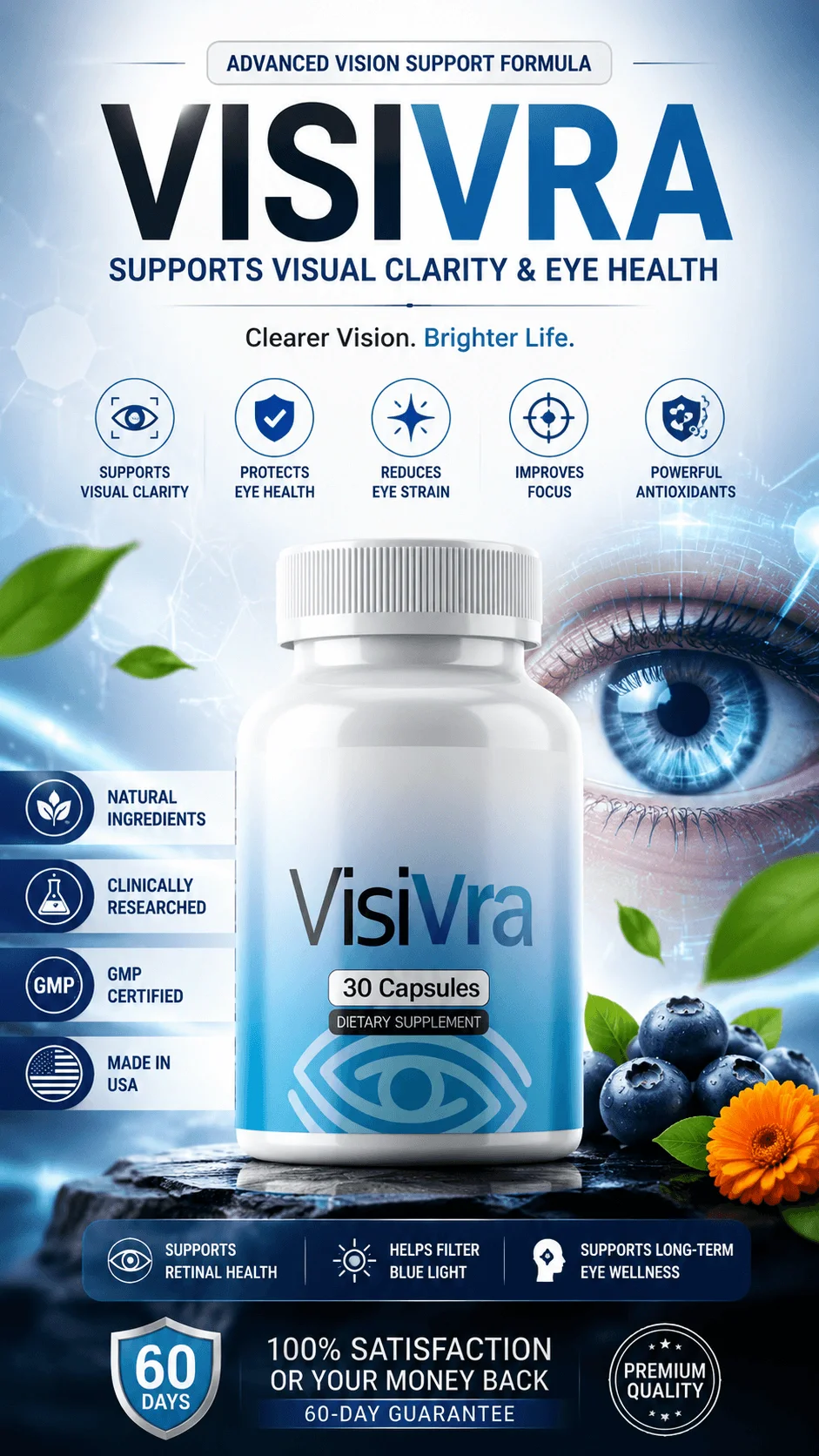
Look, supplements can play a supportive role in eye health, especially in combating the effects of blue light exposure. One such example is VISIVRA, which contains ingredients like lutein and zeaxanthin. These are known to support the eye’s natural defenses against harmful blue light.
A 2021 study highlighted that lutein and zeaxanthin can accumulate in the retina, helping to filter out blue light and reduce oxidative stress. This is crucial, especially for those living in tech-heavy states like California and Texas, where screen time is rampant.
Another study published in the Journal of Nutritional Science found that participants taking these supplements experienced improved visual clarity and comfort when using digital devices. This is promising for anyone worried about blue light damage.
In Florida or New York, where sunlight is abundant, integrating eye supplements into your routine may provide an extra layer of protection against the harmful effects of blue light, particularly for those at risk of digital eye strain.
So, while lifestyle changes are essential, considering eye supplements can further bolster your defenses.
Future Research on Blue Light: What’s on the Horizon?
As our lives become more intertwined with technology, the need for ongoing research into blue light is more pressing than ever. Current studies are exploring the long-term effects of blue light exposure, especially concerning screen time in younger populations. A recent study indicated that children may be particularly vulnerable to blue light due to their developing eyes.
Moreover, researchers are looking into potential protective strategies, including new eye drops that may offer additional defense against blue light harm. A study published in late 2022 suggested that certain compounds could help mitigate oxidative stress in retinal cells, but more research is needed to substantiate these claims.
In states like Illinois and Ohio, where technology use among younger demographics is high, this research is crucial. It emphasizes the importance of understanding how blue light affects various age groups differently.
As a society, we need to remain vigilant in our understanding of blue light and advocate for more research. The insights gained can better empower us to protect our eye health in the digital age.
In summary, the future looks promising, and ongoing research will play a pivotal role in shaping our approach to blue light exposure.
Key Takeaways
- Blue light exposure is a growing concern, especially with increased screen time.
- Recognizing the symptoms of blue light overexposure can help you take proactive steps.
- Natural protective mechanisms in the eye can mitigate blue light effects.
- Diet plays a critical role in maintaining eye health against blue light.
- Practical screen time management strategies can significantly reduce eye strain.
- Research continues to evolve regarding blue light blocking eyewear and supplements.
References & Sources
- Impact of Digital Devices on Eye Health — PubMed
- Blue Light Effects on Retinal Cells — PubMed
- Macular Pigment and Blue Light — PubMed
- Dietary Antioxidants and Eye Health — PubMed
- Screen Time Recommendations for Eye Care — PubMed
- Efficacy of Blue Light Blocking Glasses — PubMed
- Indoor vs Outdoor Lighting and Eye Strain — PubMed
- Future Directions in Blue Light Research — PubMed